How a Body Shop Addresses Auto Repairs for Structural Damage
Structural damage in vehicles can significantly compromise safety and performance, making its timely and effective repair a top priority. The integrity of a vehicle’s structure impacts how it responds in a crash, influencing the protection offered to passengers. Auto repairs focused on structural damage require specialized knowledge, equipment, and techniques to restore the vehicle to its original condition.
1. What is Structural Damage in Auto Repairs?
a. Definition and Importance
Structural damage refers to any damage to the vehicle’s framework that supports its entire system, which can include the frame and any major mounts. The importance of understanding structural damage lies in its direct effect on the vehicle's safety and drivability. When a car is involved in a collision, the force of impact often transfers to the frame, possibly resulting in bending or misalignment. Such damage demands prompt and competent auto repairs to ensure the vehicle performs as expected.
Proper structural integrity is crucial for the vehicle to absorb and dissipate collision energy properly, reducing injury risk to occupants. Ignoring or inadequately repairing structural damage can lead to increased stress and wear on other parts, exacerbating the problem over time. As modern vehicles are built with more advanced technologies, repairing structural damage becomes even more critical to ensure compatibility with safety systems. This is why professional auto repairs executed by skilled technicians are vital.
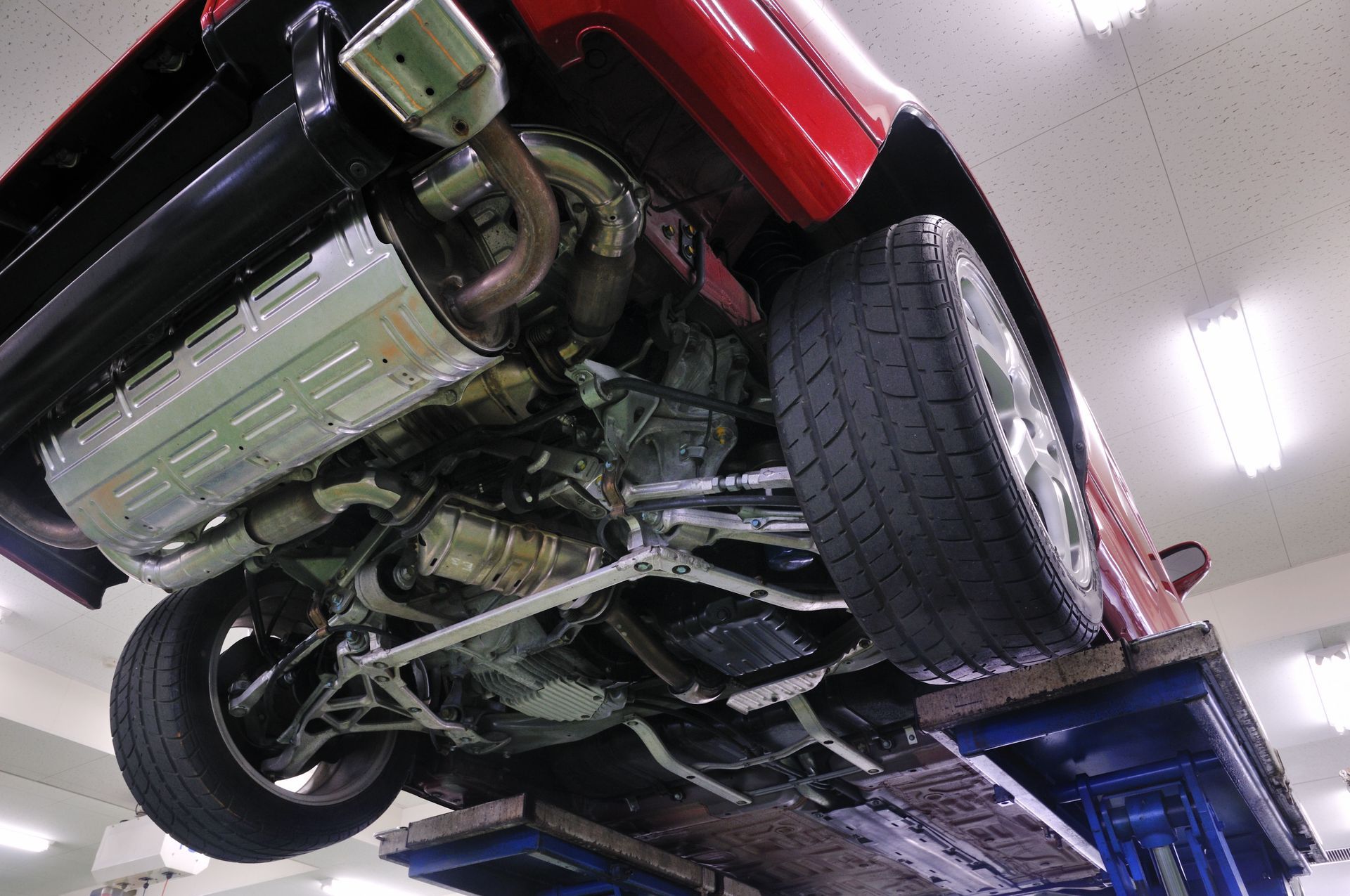
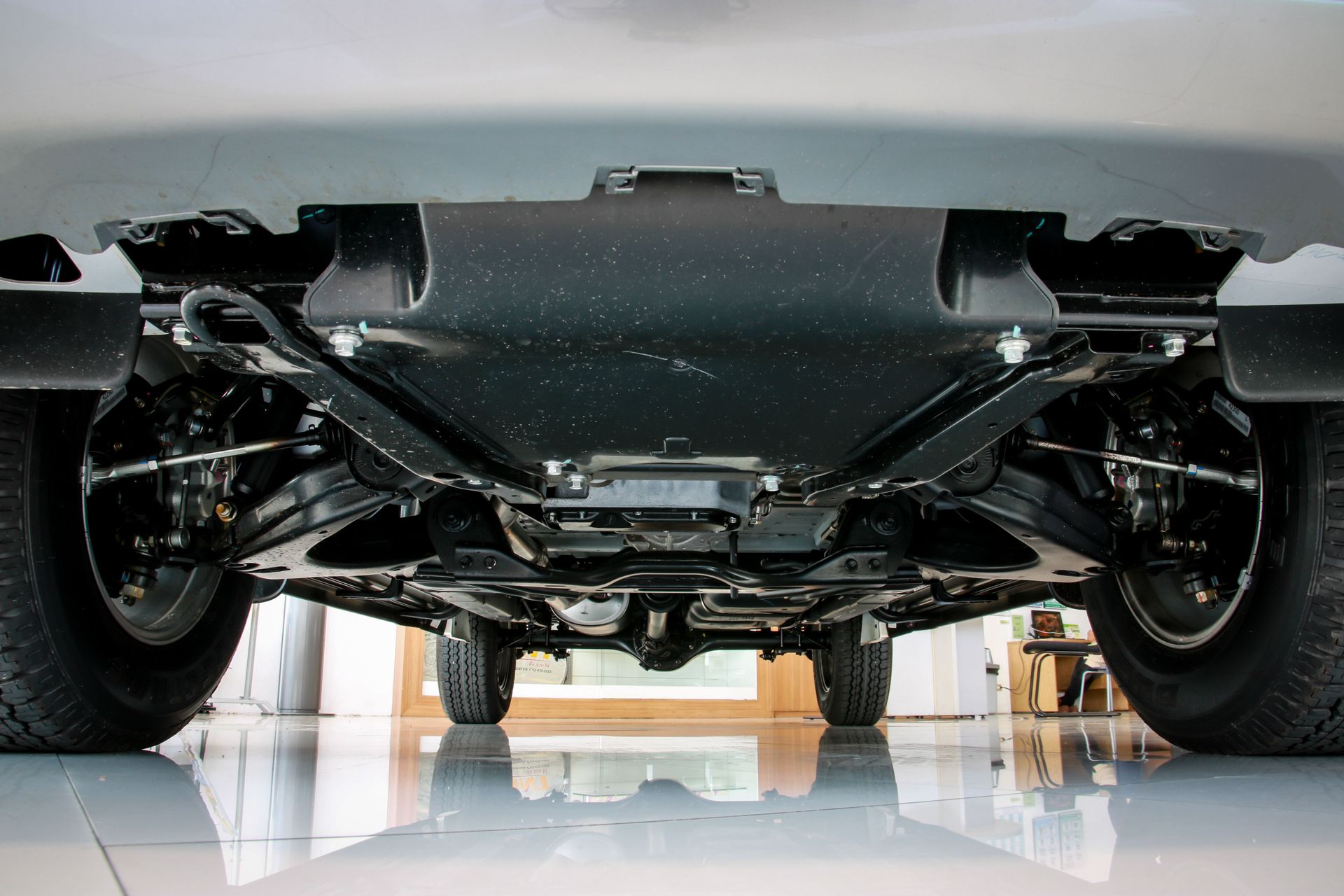
Auto repair shops focus on maintaining the integrity of the chassis and sub-frame, which are essential components of vehicle structure. Through state-of-the-art diagnostic tools, technicians can accurately identify areas of weakness or damage. According to Endurance Warranty, while a small dent on a panel can be repaired in 2 to 3 days, structural repairs often take longer due to their complexity. Understanding and respecting these complexities helps ensure a vehicle's durability and performance post-repair.
b. Common Causes
Structural damage can occur due to a variety of reasons, with collisions being the primary cause. Even low-speed impacts can lead to significant damage if they affect the vehicle’s frame. In addition to accidents, poor maintenance and excessive rusting due to environmental factors can compromise the integrity of a vehicle’s structure. Understanding these potential risks is vital for owners to take preventative measures and ensure regular inspections.
Harsh driving conditions, such as driving on uneven terrain, can also stress the vehicle's framework, potentially leading to damage over time. Vehicle manufacturers design frames to include crumple zones, which absorb and disperse crash energy. However, repeated stresses or inadequate repairs from past damage can weaken these zones, leading to safety concerns. Thus, timely and thorough auto repairs by qualified professionals are essential to address these issues.
Standard road hazards, such as potholes and speed bumps, can also contribute to framework damage over time if not navigated carefully. Vehicles older than a decade, especially those in areas with harsh winters, are particularly susceptible to rust-induced structural weaknesses. In such cases, thorough inspections during regular auto repairs can preempt disaster by identifying issues early. Ultimately, recognizing common causes and staying vigilant can help extend a vehicle’s lifespan significantly.
2. How Do Body Shops Assess Structural Damage?
a. Initial Inspection Techniques
Effective assessment of structural damage begins with a thorough initial inspection by trained technicians. When a vehicle arrives at a body shop following a collision or showing signs of damage, professionals start with a visual inspection to identify obvious signs of structural compromise. They evaluate the alignment of body panels, the condition of the chassis, and signs of rust or corrosion around structural areas. An initial visual examination helps direct further diagnostic efforts and is fundamental to comprehensive auto repair service delivery.
Technicians often use vehicle history reports to understand past repairs or accidents. This information provides valuable context as it indicates previously repaired areas that might be susceptible to further damage or misalignment. Experienced inspectors can identify subtle deficiencies in these regions more efficiently than less skilled personnel. By using a combination of expert judgment and historical data, auto repair technicians form a holistic view of the vehicle’s structural condition.
While manual inspection offers some insights, it is often supplemented with advanced diagnostic tools like frame alignment machines. Such technology offers precise readings and assists in detecting underlying damage that may not be visible externally. This dual approach of manual and technological assessment allows body shops to ensure a detailed diagnosis leading to effective repair plans. Investing in expert auto repair assessment helps restore vehicles to their pre-damage condition.
b. Tools and Technology Used
Body shops employ a variety of tools and technologies to effectively assess and repair structural damage. Frame alignment machines are pivotal in diagnosing misalignments, providing accuracy down to millimeters. These machines, equipped with sophisticated sensors, generate detailed 3D models that show precisely where the damage lies within the vehicle’s framework. Such accurate diagnostics are critical for developing a targeted approach in subsequent auto repairs.
Advanced welding equipment is vital in repairing or replacing damaged structural components. Modern body shops utilize MIG and TIG welders to execute precise and strong welds that support the vehicle’s frame. This ensures that after repair, the structure regains its original strength and durability. These welding techniques also help in the seamless integration of new parts, furthering the quality of structural repair.
Another important set of tools includes software solutions for conducting structural health checks. These systems electronically diagnose components and systems, helping to streamline assessments. Technology also aids in estimating repair costs, creating a comprehensive scenario for what the vehicle needs to return to optimal condition. Leveraging state-of-the-art tools ensures that auto repair facilities can address the complexity of modern vehicles efficiently and accurately.
3. What Auto Repair Techniques are Used for Structural Damage?
a. Frame Straightening
Frame straightening is a critical process in repairing auto structural damage, focusing on correcting the alignment of a vehicle's core frame components. This process involves applying force in a controlled manner to the vehicle’s frame to return it to its pre-accident shape. Specialized frame machines employ hydraulic systems to bend the frame back into place, supported by precision measurements from lasers or cameras. The efficacy of frame straightening hinges on the precision and skill brought by the auto repair technicians.
Using these advanced machines, technicians work to restore the structural integrity necessary for safe vehicle operation. Repeatedly subjected to real-time stress tests under professional supervision, frame straightening corrects alterations caused by impacts or wear. Regular evaluations during the process prevent over-straightening, which could compromise other vehicle systems. Auto repair professionals consider frame straightening a foundational technique requiring intuitive understanding and technical proficiencies.
b. Welding and Replacement
Welding and part replacement form the backbone of structural auto repairs, addressing damaged components that cannot be merely adjusted or bent back into place. When significant sections of a vehicle’s frame are compromised, technicians often opt to replace these sections entirely. Welding connects metal parts together using heat or pressure, with MIG and TIG welding being prevalent methods due to their strength and precision. By replacing or reinforcing broken frame components, body shops restore structural strength, maintaining the car's safety ratings.
The decision to either weld or replace depends on the extent of the damage and the recommendations from diagnostic assessments. Skilled technicians evaluate each case, balancing delivery timelines, costs, and quality outcomes. In cases where vast portions of the frame are irreparably damaged, replacement parts matching original manufacturer specifications ensure consistency in performance. Proper execution of these techniques by experienced auto repair facilities ensures vehicles meet safety standards post-repair.
The rigorous process of addressing structural damage in auto repairs underscores the indispensable role of body shops in maintaining vehicle safety and integrity. By combining expert knowledge with advanced technology, body shops adeptly identify, assess, and repair structural damage. The careful attention to detail throughout the repair process emphasizes the commitment to safety and the high standards upheld by professionals in the field. Vehicle owners are assured of quality service that safeguards both the value and functionality of their vehicles, highlighting the importance of engaging with experienced auto repair facilities. Reach out to McKenzie Paint & Body Inc today to see how we can help you!






Share On: