Smart Choices for Safe Towing: Protecting Your Vehicle on Every Trip
Safe vehicle transport requires more than just a powerful truck and a sturdy hitch; it demands a comprehensive understanding of weight distribution and equipment limits. Prioritizing safety during every journey helps prevent costly mechanical issues and protects the long-term value of your automotive investment through careful, professional handling.
Understanding Professional Recovery Standards
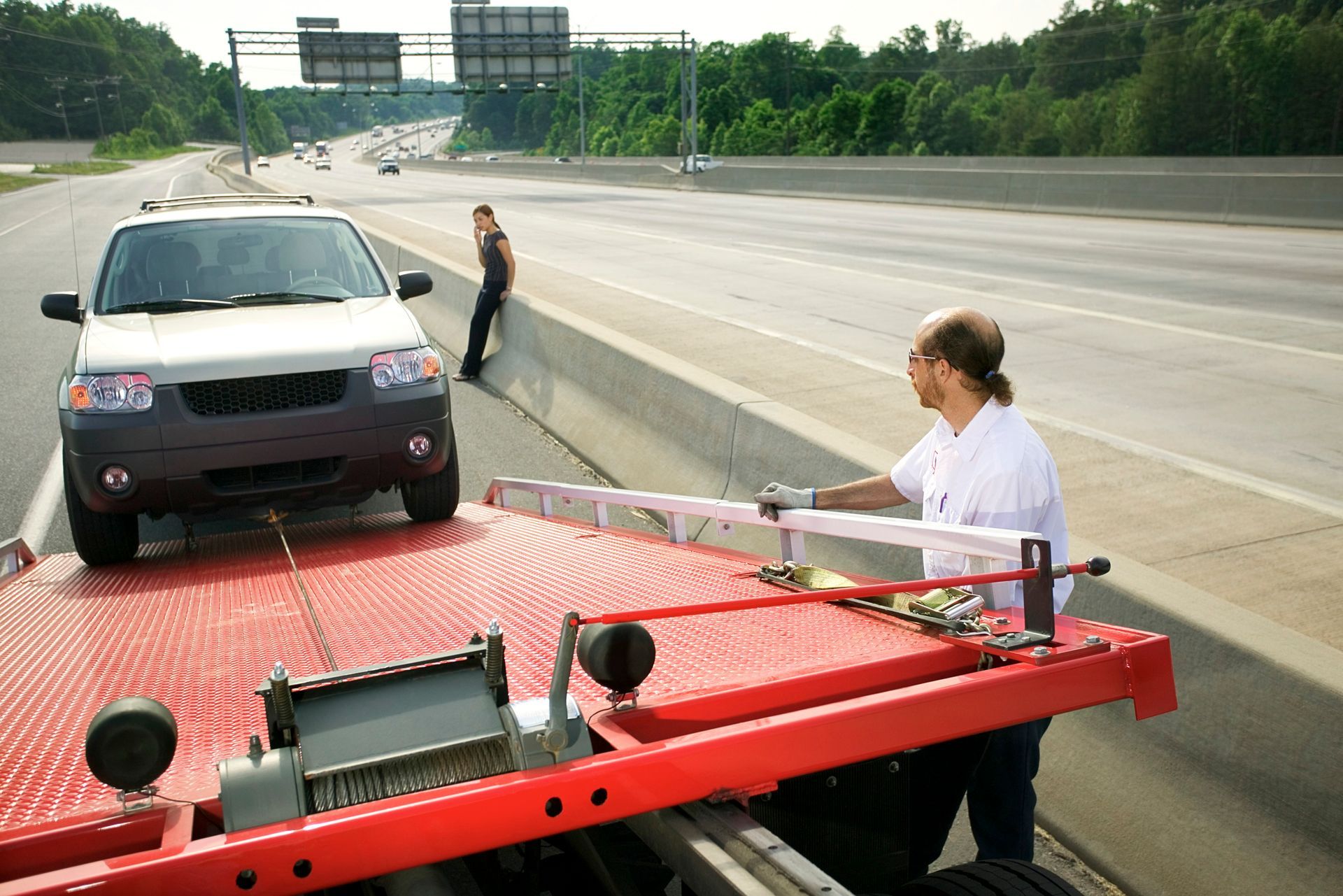
The evolution of vehicle recovery has shifted toward specialized methods that prioritize the mechanical integrity of modern cars. Heavy-duty sensors and complex all-wheel-drive systems found in today's SUVs and sedans mean that traditional methods are often insufficient. Professionals now utilize advanced flatbed technology to keep all wheels off the ground, which prevents unnecessary strain on the drivetrain.
When a vehicle becomes immobilized, the primary goal is to minimize secondary damage that can occur during the transport process. Misaligned frames or stretched suspension components are frequent consequences of using improper equipment. Professional operators are trained to recognize these risks, selecting specific hook points that align with manufacturer recommendations to keep the chassis perfectly stable throughout the trip.
Modern logistics play a significant role in how these services are deployed across the country. According to Market.Us, towing services had a 40.2% share in the service type segment in 2024, putting them in the lead because of the high demand for emergency recovery. This high volume of activity underscores the necessity for standardized safety protocols. By relying on industry experts, owners can be confident that their vehicles are managed according to the latest safety regulations and technical benchmarks.
Evaluating Equipment for Maximum Safety
High-quality equipment is the backbone of any successful towing operation, as the physical stresses involved are immense. Professional-grade winches, high-tensile strength chains, and hydraulic lifts are designed to handle specific weight ratings without failing. Regular inspections of these tools prevent mechanical failure, which is a leading cause of accidents during the transport of disabled vehicles.
Stability is the most critical factor when moving a heavy load over long distances or through heavy traffic. Specialized tie-down straps made of reinforced nylon are used to secure the vehicle at four distinct points, preventing the car from shifting due to sudden stops or sharp turns. This level of securement is vital for protecting the paint and bodywork from abrasions caused by metal-on-metal contact.
Light-duty and medium-duty trucks are equipped with specialized lighting systems to alert other motorists on the road. These warning lights and reflective markers are essential for maintaining a safe perimeter around the recovery scene. When the right equipment is paired with an experienced operator, the risk to the vehicle and the surrounding public is significantly reduced, making the entire process more efficient.
Protecting Sensitive Mechanical Systems
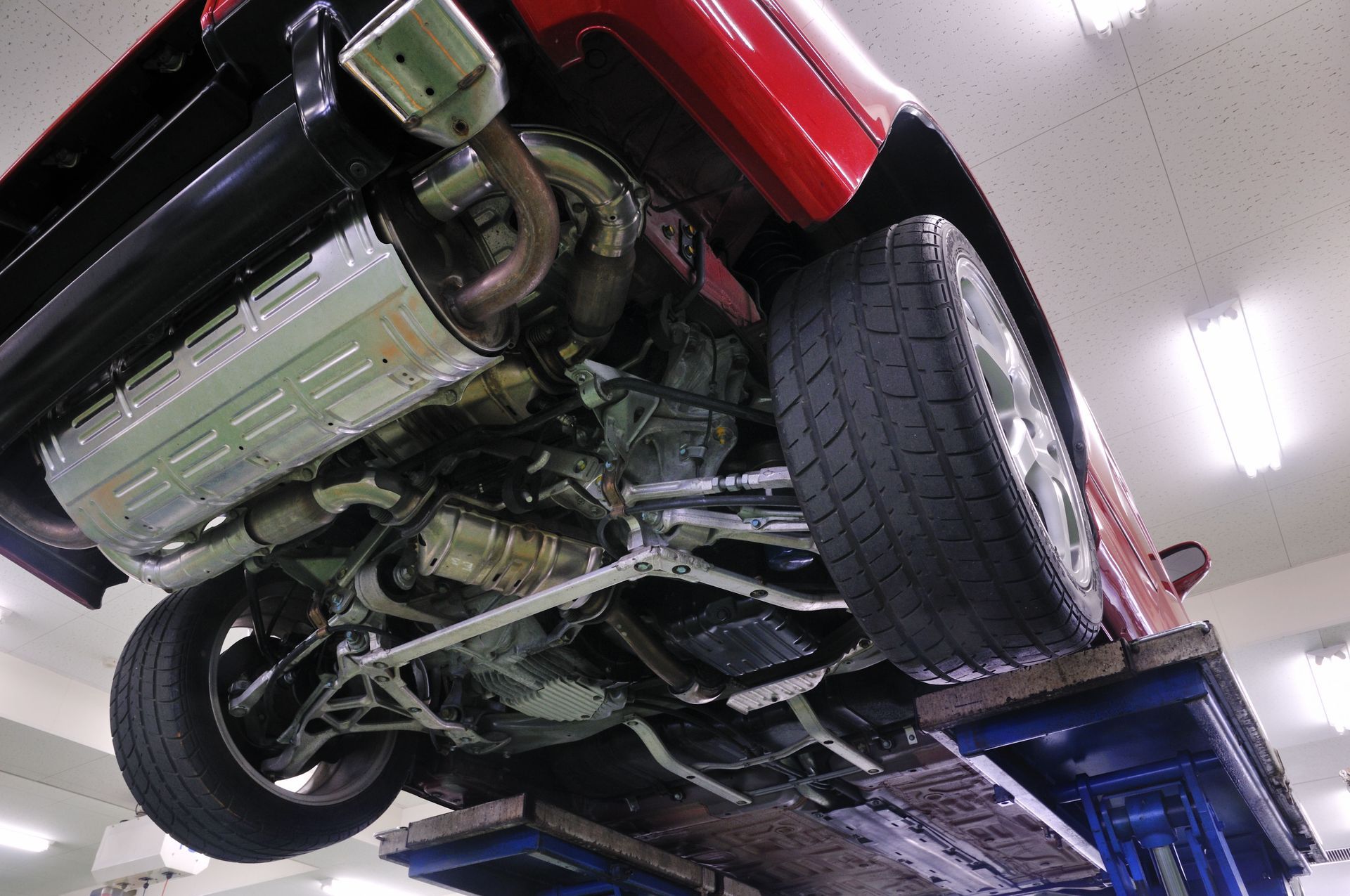
Transmission damage is perhaps the most frequent issue resulting from poor transport choices. Automatic transmissions and electric vehicle motors require specific cooling and lubrication that only occurs when the engine is running or when the wheels are stationary. If a vehicle is dragged with its drive wheels on the pavement, the internal gears can overheat and seize within just a few miles.
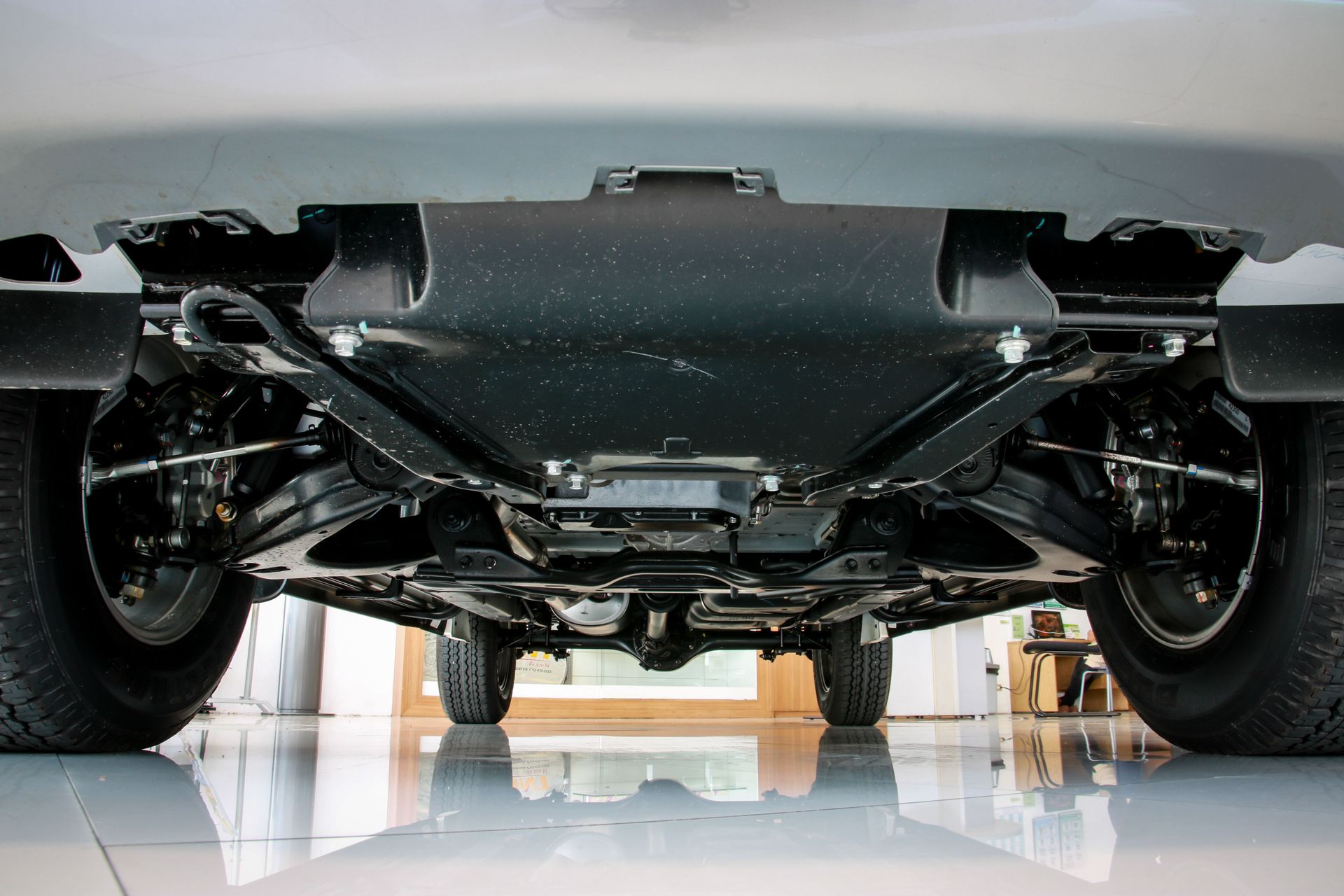
Suspension systems are also highly susceptible to damage if they are used as primary anchor points. Many modern vehicles feature aluminum components designed for weight savings, which lack the structural rigidity to withstand the pulling forces of a heavy winch. Professionals use "T-hooks" or "J-hooks" designed to fit into reinforced slots in the vehicle’s frame so no pressure is placed on the delicate control arms or struts.
Furthermore, the electrical architecture of 2026 model-year vehicles is more integrated than ever before. Improper towing can trigger error codes in stability control modules or damage sensitive sensors located in the bumpers and wheel wells. Using specialized dollies or flatbeds keeps these electronic systems safe from the vibrations and impacts of the road, preserving the car's diagnostic health for future repairs.
Navigating Roadside Challenges with Care
Roadside recovery often takes place in high-traffic environments where visibility and space are limited. Professional operators use strategic positioning to create a physical barrier between the disabled vehicle and oncoming traffic. This "buffer zone" allows for a calm and methodical loading process, which is necessary to avoid rushed mistakes that could lead to scuffed rims or body dings.
Weather conditions also dictate the approach used during a towing service call. Rain, snow, and ice drastically change the traction available for both the recovery truck and the vehicle being loaded. Professional teams utilize specialized grip mats and precision winching techniques to pull a car onto a platform without it sliding sideways, which protects the tires and the alignment from lateral stress.
Clear communication between the operator and the vehicle owner helps set expectations regarding the destination and the handling of the keys. Documenting the car's condition before it's loaded provides the owner with a baseline so the vehicle arrives at the auto body facility in the same state it was in when it was picked up. This transparency builds trust and highlights the meticulous nature of professional transport.
Optimizing Critical Load Distribution
Correct weight distribution is a science that prevents the transport vehicle from swaying or losing braking power. If a car is positioned too far forward or too far back on a flatbed, it can lift the front wheels of the truck or cause the rear to fishtail. Professionals calculate the center of gravity for every unique make and model, so the load stays perfectly balanced over the axles.
Braking capacity is another major consideration when towing a vehicle that weighs several thousand pounds. Professional trucks are outfitted with integrated brake controllers and oversized rotors to handle the added momentum. This allows the combined unit to stop safely even on steep descents or in emergencies, preventing rear-end collisions that could total the vehicle being transported.
Tire health on the recovery vehicle is just as important as the mechanics of the car being moved. High-load-capacity tires are maintained at specific pressures to prevent blowouts under the weight of a heavy SUV or truck. By managing these technical details, a professional towing service provides a layer of protection that goes far beyond simply moving a car from point A to point B, keeping the vehicle's structural integrity fully intact.
Implementing Long-Distance Transport Strategies
Moving a vehicle across state lines or over hundreds of miles requires a different set of protocols compared to a local haul. For these longer trips, towing professionals often perform mid-journey inspections to confirm that straps have not loosened due to road vibrations. This proactive approach prevents the vehicle from shifting and sustaining damage during transit.
Fuel efficiency and aerodynamics also come into play during extended transport. A vehicle that is loaded backward on a flatbed may experience wind resistance that puts unnecessary pressure on the rear glass or loose trim pieces. Professionals understand the aerodynamic profiles of different car types and will load the vehicle to minimize drag and protect external accessories such as spoilers or roof racks.
Choosing a reputable service for a long-distance towing job means benefiting from comprehensive insurance coverage and GPS tracking. Owners can monitor their vehicle's progress in real time, providing peace of mind while it is out of sight. This professional oversight guarantees that every mile traveled is done with the utmost care for the vehicle’s safety and the owner’s ultimate satisfaction.
Smart vehicle owners recognize that professional transport is a vital component of automotive maintenance. By choosing the right methods and prioritizing high-quality equipment, you safeguard your car against unnecessary wear and tear. Secure, expert handling keeps your vehicle in peak condition, ready for any necessary repairs or future adventures. Contact McKenzie Paint & Body Inc today to schedule a free same-day estimate or to request professional 24-hour assistance with your vehicle recovery needs.
Share On: